

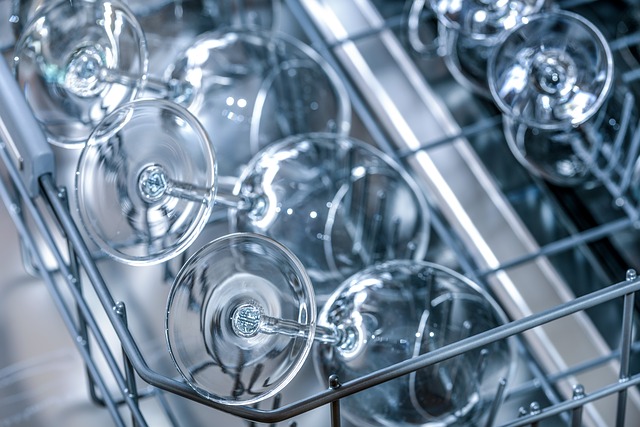
You know that feeling when you stare at a sink full of dirty plates after a big meal. Most folks dread it. I sure do. Back in 1886 a remarkable woman inventor named Josephine Garis Cochran felt exactly the same way. She turned her frustration into one of the most useful home inventions ever. Her story shows what happens when determination meets a real problem. Meet the woman inventor who came up with the idea for the dishwasher.
Woman inventor dishwasher
Josephine was born in 1839 in Ashtabula County, Ohio. She grew up around engineers and inventors. Her father worked as a hydraulic engineer. Her grandfather even held early patents related to steamboats. That background gave her a natural knack for solving mechanical puzzles. Yet she still faced the limits placed on women at the time. She married young and settled into life as a socialite in Shelbyville, Illinois.
Dishpan hands
She loved hosting fancy dinner parties. Friends and neighbors would gather around beautiful tables set with expensive china. Those evenings brought joy until the cleanup started. One morning after a large gathering she discovered a servant had chipped a valuable piece. That moment pushed her over the edge. She decided to wash the dishes herself to protect her good pieces. The endless scrubbing left her with sore hands and plenty of irritation. Dishpan hands were no joke back then.
She kept thinking there had to be a better solution. While holding a cup one day the idea hit her. Why not build a machine that holds dishes securely in place while hot soapy water blasts over them under pressure? No more hand scrubbing. No more broken china. She sketched out the basic design right away. The concept relied on water force instead of brushes or manual labor. That simple shift made all the difference.
Life threw her a tough curve soon after. Her husband William passed away in 1883. He left her with significant debts and only about fifteen hundred dollars to her name. Many people might have given up. Josephine saw it as fuel to move forward. She needed income and she believed her machine could provide it. She rolled up her sleeves and got to work.
Building a prototype
She built the first prototype in a woodshed behind her house. With help from a young mechanic named George Butters she created a working model. The machine used a wire rack system to hold plates, cups, and saucers in position. Gears, belts, and pulleys powered the whole thing. Hot water sprayed with enough force to clean everything thoroughly. She filed her patent application on New Years Eve 1885. The official patent came through in 1886 for what she called the Garis-Cochran Dish-Washing Machine.
Dish-washing machine
Men in the workshops gave her plenty of grief during development. They doubted a woman could design something so complex. Some offered to take over and do it their way. Josephine stayed firm. She knew her vision worked. Her engineering family background helped her push through the technical challenges. She understood pressure, flow, and mechanics better than most expected.
Early on she aimed the invention at busy homemakers. She wanted to free women from hours of drudgery every week. Yet many households hesitated to spend the money. The machine seemed like a luxury rather than a necessity. Sales to regular families started slow.
A better market
She found a smarter market instead. Hotels and restaurants needed efficient ways to handle mountains of dishes. They quickly saw the value. Her machines saved time and reduced breakage. She showcased the dishwasher at the 1893 Worlds Columbian Exposition in Chicago. The display won awards and generated buzz. Orders picked up steadily after that.
You never know what market your invention will sell best in. Quite often it’s not the one you think it is or invented it for.
Josephine did not stop at one model. She founded the Garis-Cochran Dish-Washing Company to manufacture and sell the units. She handled design, production, and marketing herself. That took incredible courage in an era when women rarely ran businesses. She kept improving the technology too. Later versions became more reliable and easier to use.
This is exactly what I did as a woman inventor. I manufacture, distribute, and handle the marketing and PR myself. It’s a full time job.
Persistence pays off
Josephine’s persistence paid off in the long run. The company eventually evolved into what we know today as part of KitchenAid. Modern dishwashers still use many of the same core ideas she pioneered. Racks that protect dishes. High pressure water jets. Efficient cleaning cycles. She laid the foundation for an appliance that millions of homes now rely on daily.
Think about how much time her invention saves. The average person spends several hours a week on dishes. Multiply that across a lifetime and you see the impact. Families get more time together. Parents avoid extra chores after long workdays. Restaurants serve customers faster. Hospitals maintain hygiene standards more easily. All because one woman refused to accept the status quo.
Josephine continued to sell her invention by cold calling until she passed away in 1913 at age seventy four. She lived long enough to see her idea gain traction. Today she stands as a powerful example of female ingenuity. Her story inspires anyone who faces skepticism while chasing a big goal. She proved that fresh ideas can come from unexpected places. Gender or formal training did not limit her success.
Sparking innovation
I often share her tale when people talk about everyday problems. We all have frustrations that could spark innovation. Maybe you hate folding laundry or struggle with meal prep. Josephine reminds us to look for solutions instead of just complaining. She turned annoyance into action.
Her legacy goes beyond the machine itself. She showed future generations of women inventors that they belong in technical fields. She navigated a male dominated world with grace and grit. Young girls learning about STEM today can point to her as proof that their ideas matter.
If you run a search for woman inventor dishwasher her name should top the results. Yet many people still do not know her story. That is why posts like this one help keep her memory alive. We need more recognition for the women who quietly transformed daily life.
Next time you load your dishwasher take a second to appreciate the history. Those racks and spray arms trace back to Josephine Cochran in her Illinois woodshed. She solved a problem that bothered her and ended up helping the whole world.
Lesson for entrepreneurs
Her journey also carries a practical lesson for entrepreneurs. Start with what you know. Test ideas in small spaces like a shed. Listen to criticism but trust your instincts. Market to the right customers even if they differ from your original plan. Josephine did all that and more.
We live in an age of smart appliances now. Voice activated controls. Energy efficient models. Self cleaning features. Yet the core purpose remains the same. Make life easier. Reduce waste. Protect what we value. Josephine understood that need more than a century ago.
Her determination continues to motivate. Whether you tinker in a garage or brainstorm at the kitchen table you can create something meaningful. She faced debt, doubt, and technical hurdles. Still she succeeded. That resilience defines true inventors.
So the next time dish duty feels overwhelming remember Josephine. She got tired of it too. Instead of suffering through she built a solution. Her story proves one person with a clear idea and strong will can leave a lasting mark.
Women inventors like her paved the way for countless advances we take for granted. From household gadgets to medical breakthroughs their contributions shape modern life. Celebrating these pioneers encourages more innovation ahead.
Josephine Garis Cochran deserves her spot in the inventor hall of fame. She earned it through hard work and vision. Her dishwasher continues to clean up after family dinners parties and busy days. Thanks to her we spend less time at the sink and more time enjoying what matters most. And as someone who hates washing dishes I am grateful.