

How an ancient culture learned to cultivate fortune — and what it can teach the rest of us
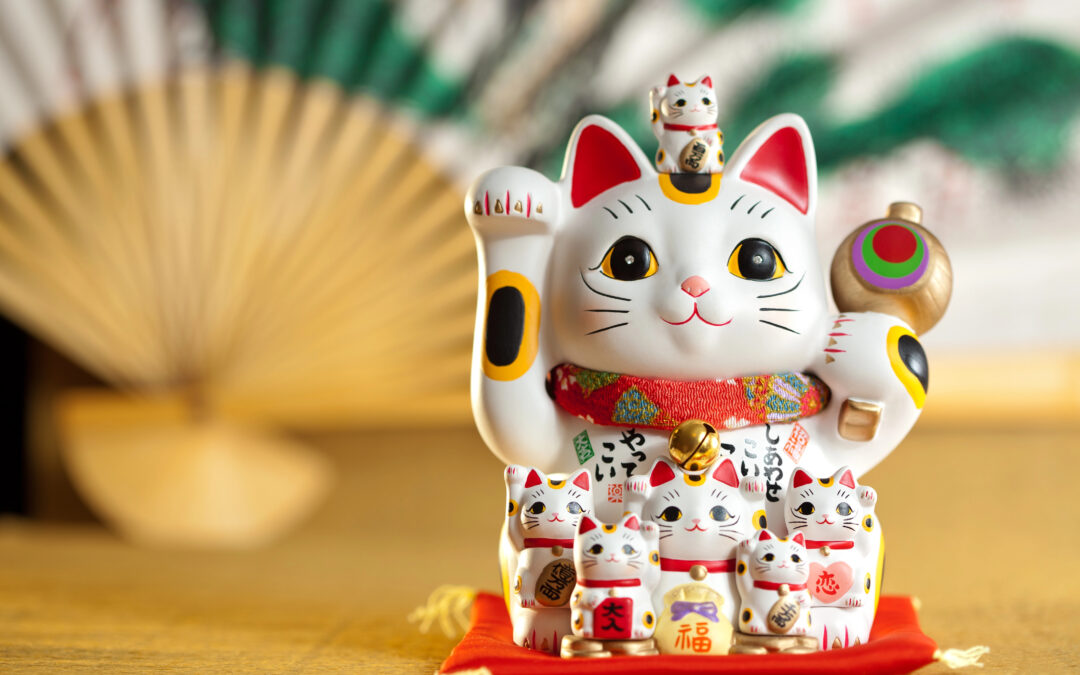
The first time I saw a maneki-neko , Japan’s iconic beckoning cat, I assumed it was a passive charm. A wishful little figurine sitting on a shelf, waiting for luck to drop from the sky. But the longer I spent in Japan, the more I realized I had it completely backward. The raised paw isn’t waiting for anything. It’s actively calling fortune toward itself. That distinction, it turns out, is the whole philosophy.
Japan is one of the most luck-conscious cultures on earth. Walk through any city and the evidence is everywhere: red torii gates marking sacred thresholds, fortunes tied to temple branches like white paper butterflies, coins tossed into shrine fountains with quiet intention. To an outside observer, it can all look like superstition. But spend real time there, talk to people, watch how they actually move through their days, and something deeper reveals itself. The Japanese don’t simply believe in luck. They practice it and architect it. And they treat fortune not as something that visits the deserving, but as something that rewards the prepared, the attentive, and the deliberate.
Ichi-go Ichi-e: The Luck Hidden in This Moment
Perhaps the most quietly radical concept in Japanese culture is ichi-go ichi-e, loosely translated as “one time, one meeting.” It’s the recognition that this moment, this encounter, this particular afternoon will never exist again. Not a metaphor. A fact, taken seriously.
What does this have to do with luck? Everything. Serendipity, by definition, is the unexpected gift hiding inside an ordinary moment. But ordinary moments, when we’re distracted or hurried or staring at a screen, offer us nothing. We pass right through them. The Japanese practice of ichi-go ichi-e is essentially a training in receptivity, the skill of being present enough to notice when fortune is quietly standing in the room.
Lucky people, research consistently shows, are not people to whom good things randomly happen more often. They are people who notice good things when they happen. That’s a perceptual skill, and it can be cultivated. The tea ceremony, practiced with this philosophy at its core, is three hours of training yourself to see what’s already there.
The Temple Ritual as Creative Practice
Every New Year, millions of Japanese people visit Shinto shrines and Buddhist temples for Hatsumode, the first shrine visit of the year. They purchase omikuji, paper fortunes, and if the fortune is bad, they tie it to a pine tree or wire rack on the temple grounds, symbolically leaving misfortune behind.
What strikes me about this ritual is its active quality. You are not simply hoping for a good year. You are physically enacting your intention for one and are making a gesture toward the future, leaving something behind, and walking away changed, however slightly. This is what psychologists call a “behavioral commitment.” You’ve done something. The doing changes you.
There’s a rich body of evidence suggesting that people who perform rituals, personal, cultural, or invented, before uncertain events perform better and feel luckier. Not because the universe is listening, but because the ritual focuses attention, reduces anxiety, and creates a sense of agency. The omikuji tied to the temple fence is, among other things, a statement: I am not helpless. I am participating.
En and the Invisible Web of Connection
The Japanese word en (縁) refers to fate, connection, or a destined relationship, but it carries a texture that English translations can’t quite capture. En isn’t the dramatic fate of Western romance. It’s quieter. It’s the invisible thread that connects you to the people and places that will matter in your life.
Crucially, en is not passive. Japanese culture suggests that you can cultivate en by putting yourself in meaningful places, by saying yes to invitations, by honoring relationships carefully, by keeping yourself open and in motion. A person who stays home, who never wanders, who never follows a thread of curiosity, they have weak en. Not because the universe has abandoned them, but because they’ve given fate nothing to work with.
This is one of the most practical insights I’ve encountered anywhere in the world. Serendipity requires surface area. Lucky encounters happen at the intersections of things, at the crossroads, at the party you almost didn’t attend, in the conversation you almost didn’t start. En is, among other things, a cultural mandate to keep moving, to stay curious, to let your life have edges where the unexpected can catch.
Gambatte: The Luck That Effort Creates
No account of Japanese luck would be complete without acknowledging the culture’s deep belief in effort. Gambatte, do your best, persevere, hang in there, is one of the most common phrases in the Japanese language. It is said before exams, before sports competitions, before surgeries. It is the thing you say when words of comfort would feel insufficient.
There is a productive tension here that I find fascinating. Japan holds luck and effort in the same hand. Fortune is real, and you must work without ceasing. A lucky break means nothing if you’re not skilled enough to use it. Preparation, in this view, is a form of luck-making. It ensures that when opportunity arrives, you’re ready to recognize it and act.
Thomas Jefferson may have said “I’m a great believer in luck, and I find the harder I work, the more I have of it,” but the Japanese have been living this philosophy for centuries. The student who studies exhaustively before drawing their omikuji fortune isn’t hedging their bets, they’re completing a loop. Ritual intention plus disciplined preparation equals the condition in which luck flourishes.
What Japan Taught Me About Serendipity
The Japanese framework for luck is not about passivity and hope. It is a complete system: show up fully (ichi-go ichi-e), make intentional gestures toward the future (ritual), stay in motion and keep your connections alive (en), and do the work (gambatte). Luck, in this view, is the natural result of living with awareness, intention, and effort.
The beckoning cat is not waiting. Neither should we be.
This piece is part of the research journey behind Creating Serendipity, a book exploring how ordinary people can cultivate the conditions for extraordinary luck.